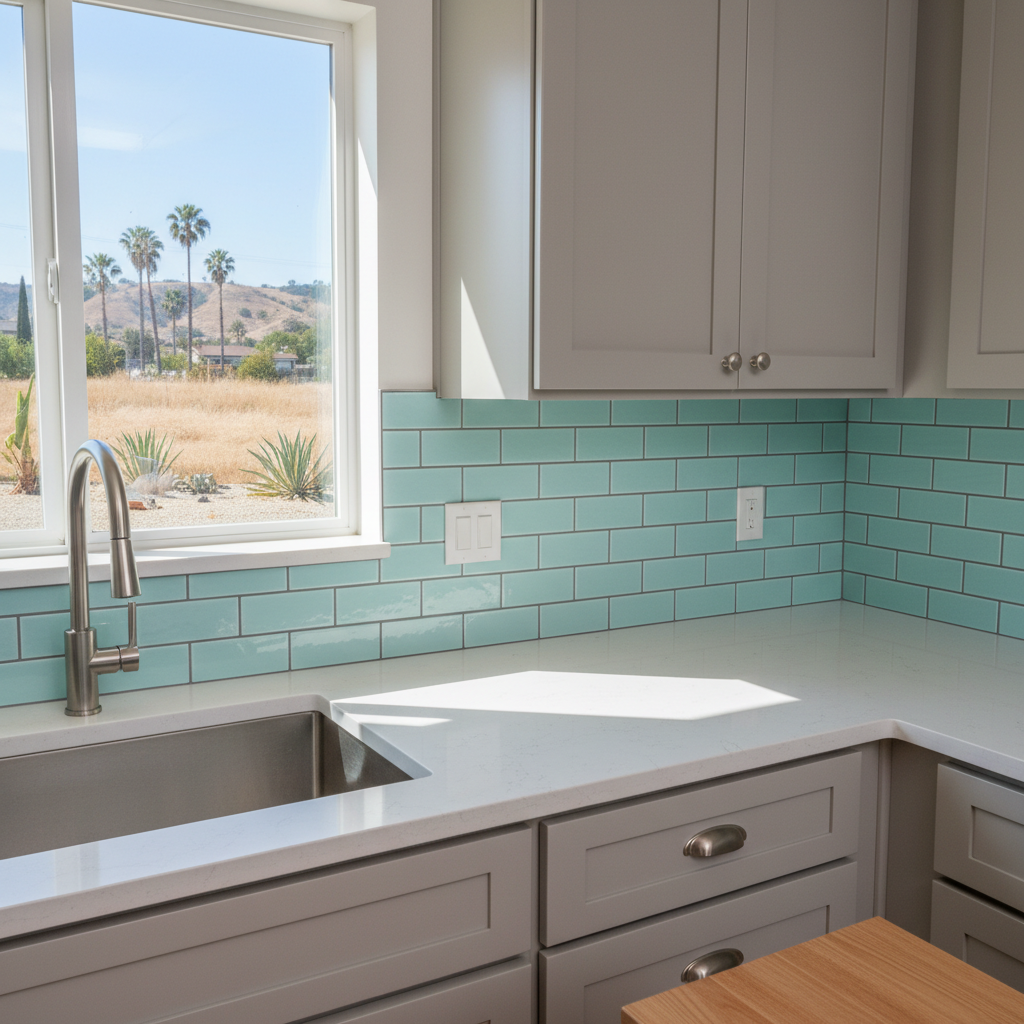
So, you just put in a gorgeous new backsplash for your kitchen, right? Maybe it’s sleek subway tile, an intricate mosaic, or some classic natural stone. Looks fantastic, doesn't it? Well, you want it to stay that way. A backsplash isn't just there to look pretty; it's a real workhorse, protecting your walls from splashes, steam, and all the general chaos that happens in a busy kitchen. But even the toughest materials need a little TLC to truly last. As someone who's installed countless backsplashes across Long Beach — from the charming Craftsman homes in Belmont Heights to the shiny new builds downtown — I've definitely seen what works and, frankly, what doesn't.
Want Your Backsplash to Last? Protection is Key
The biggest thing you can do to extend your backsplash's life starts right after we install it, especially if you picked natural stone like marble or travertine. These materials are porous, meaning they have tiny holes that can soak up liquids and stains. That's why sealing is absolutely crucial. I always recommend a good quality penetrating sealer for natural stone, applied shortly after the grout cures. This sealer soaks into the stone and grout, creating a barrier without changing how the material looks. You'll want to re-seal it every year or two, depending on how much action your kitchen sees. You can tell it's time when water stops beading up on the surface and starts soaking in instead. For ceramic, porcelain, or glass tiles, sealing isn't usually necessary for the tile itself, but sealing the grout lines is still a smart move to prevent staining and mildew. Definitely.
Another huge factor? Ventilation. Long Beach usually enjoys pretty mild weather, but we still get humidity, especially closer to the ocean. When you're cooking, steam and moisture can really build up. Make sure you're using your range hood every single time you boil water, fry something, or really get things steamy. This pulls moisture and grease away, stopping it from settling on your backsplash and grout, which can lead to mildew and grime buildup over time. Good air circulation is your best friend here.
Regular Upkeep: Keep It Clean, Keep It Simple
Daily or weekly cleaning is your best defense against long-term problems. For most backsplashes, a soft cloth or sponge with warm water and a mild, pH-neutral dish soap is all you really need. Wipe down splashes as they happen. Seriously, don't let tomato sauce or coffee sit there for hours, especially on unsealed or lightly sealed surfaces. If you've got textured tiles, a soft-bristle brush can help get into all those little nooks and crannies.
- For natural stone: Steer clear of acidic cleaners like vinegar, lemon juice, or harsh chemical degreasers. These can etch the stone and strip away the sealer. Stick to cleaners specifically made for natural stone, okay?
- For ceramic, porcelain, or glass: You've got a bit more wiggle room here. A general all-purpose cleaner that's non-abrasive usually works fine. Just make sure it doesn't leave a weird residue.
- Grout lines: These are often the first place to show dirt. A dedicated grout cleaner and a small brush can work wonders. Again, double-check the cleaner's compatibility with your tile type, especially if it's natural stone.
Remember, less is always more when it comes to cleaning chemicals. A gentle approach applied consistently beats harsh scrubbing once a year, every single time.
Warning Signs: What to Watch For
Your backsplash will usually tell you when something's not quite right. You just need to know what to listen for — or, more accurately, what to look for.
- Discoloration or Stains: If your grout lines are turning dark, yellow, or pink, that's often a sign of mildew or mold. On natural stone, dark spots could mean water absorption.
- Cracked Grout: Small hairline cracks are sometimes normal with a house settling, but widespread or widening cracks mean the grout isn't doing its job protecting what's behind it.
- Loose or Popping Tiles: This is a pretty clear sign of trouble. It could be poor adhesion, water damage behind the wall, or even structural issues.
- Dullness or Etching: If your natural stone suddenly looks dull or has spots that look like they've been eaten away, you've likely used the wrong cleaner or let something acidic sit on it.
Don't ignore these signs. A small problem caught early is usually a quick fix. A small problem ignored, however, can turn into a big, expensive headache.
When to Call a Professional
Look, I'm all for DIY, but some things are just best left to the pros. If you see widespread cracking, loose tiles, or suspect water damage behind the wall, that's definitely the time to call someone like us at Oasis Kitchen Remodeler. Water damage can lead to mold growth, rot, and structural issues that go way beyond just your backsplash. If you're unsure about the type of sealer to use, or if you've got a stubborn stain you can't budge without risking damage, a professional can offer advice or specialized cleaning services.
Sometimes, if the grout is severely stained or degraded, re-grouting might be necessary. This involves removing the old grout and putting in new, which can give your backsplash a whole new lease on life. If you're seeing persistent mildew despite regular cleaning, it might point to a deeper moisture issue that needs expert investigation. Don't hesitate to reach out if you're stumped or worried. It's always better to be safe than sorry when it comes to your home, wouldn't you agree?